
- Luminous vs. non-luminous sign: advantages and visual impact
- What is a non-luminous sign?
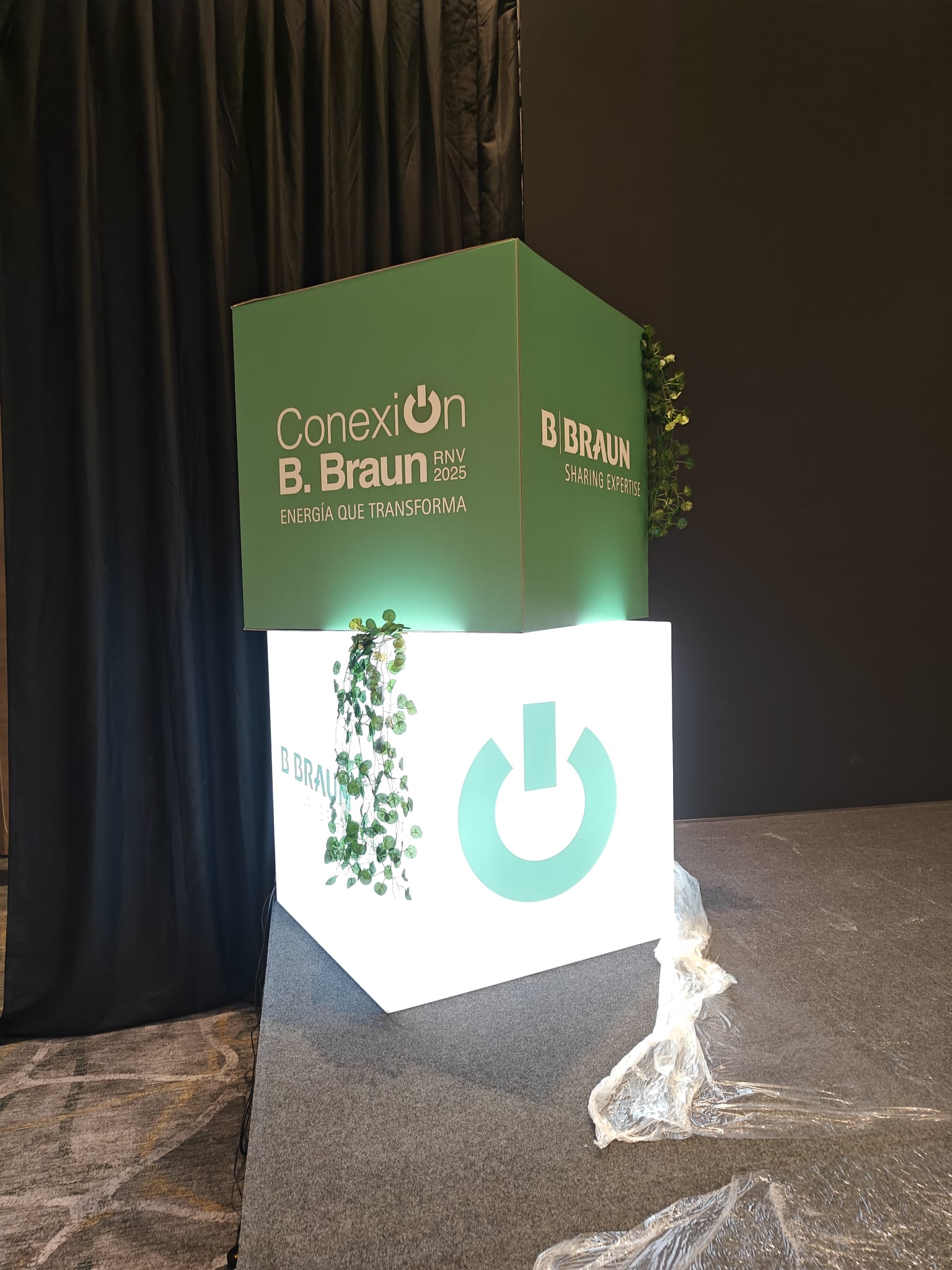
- What is an illuminated sign?
- Advantages of the illuminated sign
- Advantages of non-luminous sign
- When to choose an illuminated sign?
- When to choose a non-luminous sign?
- Quick comparison
- The real cost of not being enlightened
- Conclusion
Luminous vs. non-luminous sign: advantages and visual impact
When it comes time to sign your business, one of the first decisions you must make is whether to opt for a illuminated sign or a non-luminous one. Both options have their advantages and their place, but choosing well can make a big difference in the visibility and image of your brand. At Unical we help you make the best decision.
If you want to know in detail all the types of illuminated signs available, consult our guide to types of illuminated signs.
What is a non-luminous sign?
A non-luminous sign is any type of signage that does not incorporate its own lighting. It can be an aluminum plate, corporeal letters without light, a printed canvas, vinyl on a facade or any other support that depends exclusively on natural or ambient light to be visible.
Most common types:
• Aluminum or PVC plates with printing
• Corporeal letters without lighting
• Vinyl on facade or glass
• Printed canvas
• Wooden or methacrylate signs without light
What is an illuminated sign?
An illuminated sign incorporates its own light source, generally LED, which makes it visible in any lighting condition, especially at night or on cloudy days. It can be a light box, illuminated corporeal letters, LED neon or any other solution with integrated lighting.
Advantages of the illuminated sign
24 hour visibility
The most obvious and most important advantage. An illuminated sign works for your business 24 hours a day, 365 days a year. At night, when non-luminous signs disappear into the darkness, yours continues to shine and attract customers.
Greater visual impact
Light attracts attention instinctively. An illuminated sign stands out from its surroundings, especially in commercial areas with a lot of visual competition.
Transmits professionalism
A well-lit sign projects an image of solidity, investment and seriousness that positively influences the perception of your brand.
Works in any conditions
Cloudy days, rain, dusk: an illuminated sign maintains its visibility regardless of weather or ambient light conditions.
Constant passive advertising
While your business is closed, the illuminated sign continues to communicate your presence. It is especially valuable in areas with night traffic.
Advantages of non-luminous sign
Lower initial investment
A non-luminous sign is generally cheaper to manufacture and install, which can be decisive for businesses with a tight budget.
No electricity cost
By not consuming electricity, the maintenance cost is practically zero once installed.
Minimal maintenance
Without electrical components, the probability of breakdown is almost non-existent and does not require periodic checks.
Aesthetics in certain contexts
In some environments, such as historic areas, listed buildings or businesses with a rustic or artisanal aesthetic, a non-luminous sign may fit better with the brand identity.
No special permissions
In some locations, illuminated signs require additional permits that non-luminous signs do not need.
When to choose an illuminated sign?
Opt for an illuminated sign if:
• Your business is open in the afternoons or evenings
• You are in a commercial area with a lot of competition
• You want to maximize the visibility and impact of your brand
• Your premises have little natural light on the façade
• You are looking to project a premium and professional image
• You have pedestrian or vehicle traffic at night
When to choose a non-luminous sign?
Opt for a non-luminous sign if:
• Your business is only open during the day
• You are in an area with lighting restrictions
• The budget is very tight
• The building has special regulations
• The aesthetics of your brand fit better with a sober sign
Quick comparison
| Feature | Luminous | Not luminous |
|---|---|---|
| Night visibility | Excellent | None |
| Visual impact | Very high | Medium |
| Initial investment | Major | Minor |
| Electrical cost | Low (LED) | None |
| Maintenance | Minimum | almost zero |
| Permissions | Sometimes necessary | Generally not |
| Duration | 10+ years (LED) | 5-10 years |
The real cost of not being enlightened
Many businesses choose non-luminous signs to save on the initial investment, but they do not calculate the opportunity cost. An LED illuminated sign consumes very little electricity, between 20 and 100W depending on size, and can attract additional customers each night it remains on.
If you want to know in detail the costs and types of LED signs, consult our guide to LED signs for businesses.
Conclusion
In most cases, the investment in an illuminated sign quickly pays for itself thanks to increased visibility and customer attraction. If your business is active at night or is in a competitive area, the illuminated sign is not a luxury: it is a necessity. At Unical we help you choose the best solution for your budget and your objectives.
Do you want to know which sign is best for your business? Request your quote without obligation and we will advise you in a personalized way.