
BlogSigns
Types of illuminated signs: light boxes, LED neon, corporeal letters
24 March 20268 min read
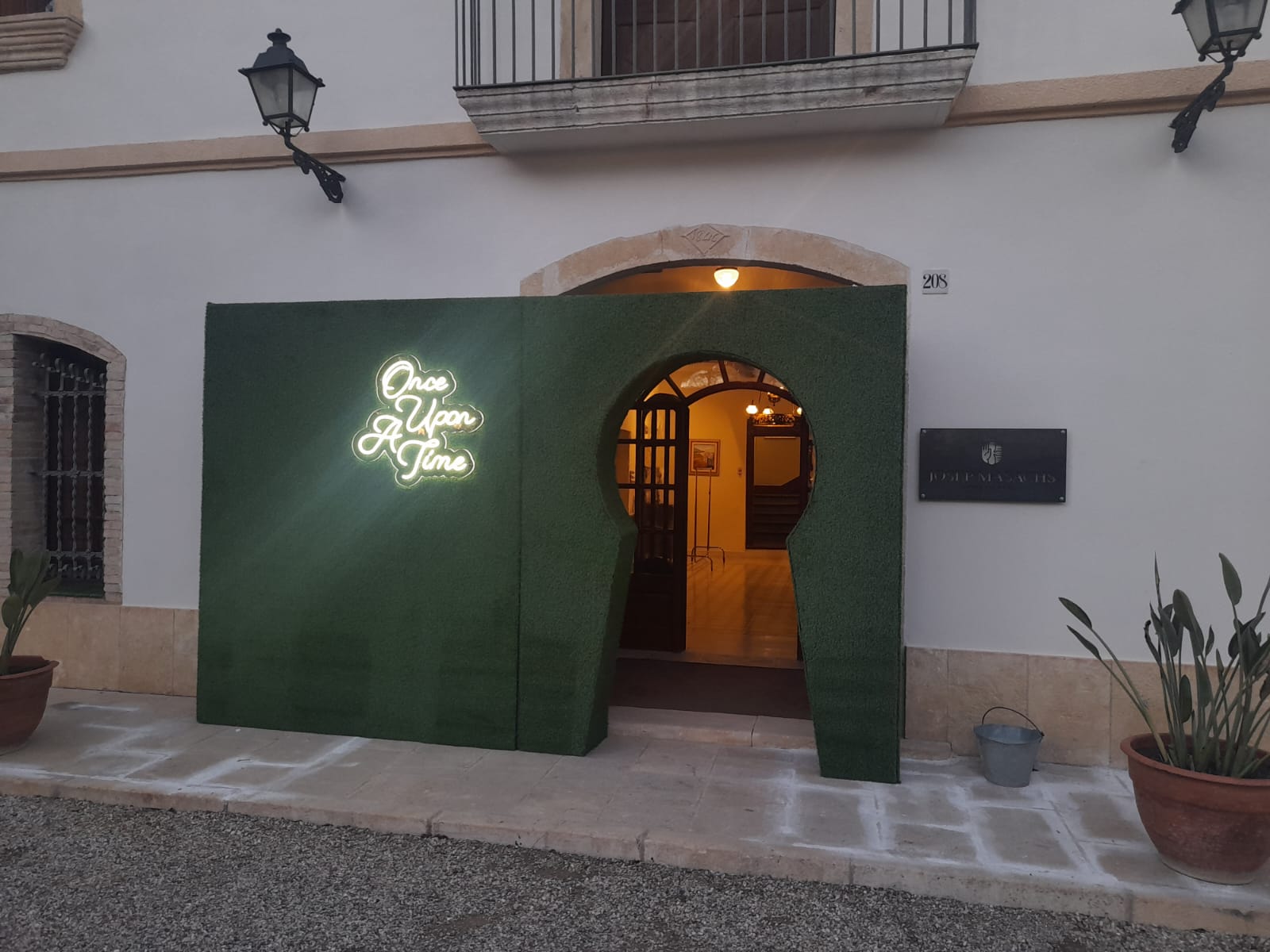
Types of illuminated signs: light boxes, LED neon, corporeal letters and more
An illuminated sign is much more than a sign: it is the first impression your business makes, day and night. Choosing the right type can make the difference between going unnoticed or becoming a landmark on your street. At Unical we have been manufacturing and installing all types of illuminated signs for years and in this guide we explain what they are, how they work and which one is most suitable for your business.
Why choose an illuminated sign?
Before looking at the types, it is important to understand why it is worth investing in lighting. If you want to know the differences between luminous and non-luminous signs in detail, consult our post on luminous vs non-luminous sign.
In short, a luminous sign:
• It is visible 24 hours a day
• Increases visual impact and customer attraction
• Transmits professionalism and brand strength
• Works as constant passive advertising
Types of illuminated signs
Light box
The light box is one of the most classic and effective illuminated signs. It consists of an aluminum or PVC structure with a translucent front face, generally backlit canvas or methacrylate, which is illuminated from the inside with LED tubes.
Features:
• Uniform and bright image
• Wide variety of sizes
• Easy update of the interior graph
• Ideal for logos and complex images
Applications:
• Store and restaurant facades
• Mupis and outdoor advertising
• Interior signage in shopping centers
• Fair stands with lighting
Illuminated corporeal letters
Corporeal letters are three-dimensional letters made of aluminum, stainless steel or PVC that are illuminated from the inside or behind. They offer a very premium and modern look.
Types of lighting in corporeal letters:
• Frontlit: front lighting across the face of the letter
• Backlit or halo: rear lighting that projects a halo of light on the wall
• Combined: simultaneous front and rear lighting
Applications:
• Facades of companies and hotels
• Lobbies and corporate receptions
• Shopping centers
• Premium restaurants and venues
LED Neon
LED neon is the modern version of traditional gas neon. It uses silicone-coated flexible LED strips that imitate the look of classic neon but with much lower energy consumption and greater durability.
Advantages of LED neon compared to traditional neon:
• Consumption up to 80% lower
• No gas, no mercury: safer and more ecological
• Greater durability: up to 50,000 hours
• Lighter and easier to install
• Available in a wide range of colors
Applications:
• Decoration of bars, restaurants and shops
• Logos and decorative messages
• Shop windows and showcases
• Events and photography
Luminous totem
The totem is an independent vertical structure that is installed outside the premises or at the entrance of a building. It can be single-sided or double-sided and is internally illuminated with LEDs.
Applications:
• Gas stations and car washes
• Hotels and corporate buildings
• Shopping centers and large stores
• Parking and access
Edge LED sign
This type of sign uses a methacrylate or polycarbonate sheet illuminated at the edges using LED strips. The light is distributed evenly across the entire surface creating a very elegant effect.
Applications:
• Interior office signage
• Bright menus in restaurants
• Directories in buildings
• Hospital signage
LED display
LED screens allow you to display dynamic content: images, videos, animated text. They are the illuminated signs with the greatest visual impact but also the one with the greatest investment.
Applications:
• High impact outdoor advertising
• Large commercial areas
• Stadiums and sports venues
• Events and shows
Which lighting technology is best?
Currently, LED is the dominant technology in all types of illuminated signs. Its advantages over previous technologies are indisputable. To know all the details about LED signs, consult our guide to LED signs for businesses.
In summary:
• LED: low consumption, long life, maintenance-free
• Fluorescent: out of use, higher consumption and maintenance
• Gas neon: almost disappeared, replaced by LED neon
Regulations and permits
Before installing an illuminated sign on the facade of your premises, you must take into account:
• Most town councils require an advertising activity license.
• There are restrictions on size, brightness and hours in residential areas.
• Protected buildings have special regulations
• At Unical we advise you on the necessary permits in your municipality
Conclusion
Choosing the right illuminated sign depends on your type of business, budget, location and objectives. The important thing is that your sign reflects the identity of your brand and is visible both day and night. At Unical we design, manufacture and install all types of illuminated signs with quality guarantee.
Do you want a illuminated sign for your business? Request your quote without obligation and we will advise you without any obligation.