Digital Printing
Trends in large format printing
Sustainability as a central axis
Sustainability has stopped being a trend and has become a market requirement. Nowadays, customers demand printing solutions that minimize environmental impact:
Recyclable materials: PVC-free tarps, phthalate-free vinyl, rigid supports made of recycled cardboard and biodegradable materials.
Eco-friendly inks: Water-based inks (latex) and UV LED inks are replacing eco-solvent inks due to their lower emission of VOCs (volatile organic compounds).
Circular economy: Customers ask that materials be recyclable at the end of their useful life. Textile systems are leaders in this aspect: the fabric can be reused or recycled.
Certifications: ISO 14001, FSC, GreenGuard... Environmental certifications are increasingly valued in bidding and purchasing processes.
Textile replaces canvas
Sublimated textile (soft signage) is gaining ground over traditional canvas in multiple applications:
Advantages of textile over canvas:
- No unwanted reflections or shine
- Lighter (reduces transportation costs)
- Folds without permanent wrinkles
- Washable and reusable
- Better color reproduction
- Backlit with LEDs
- More sustainable
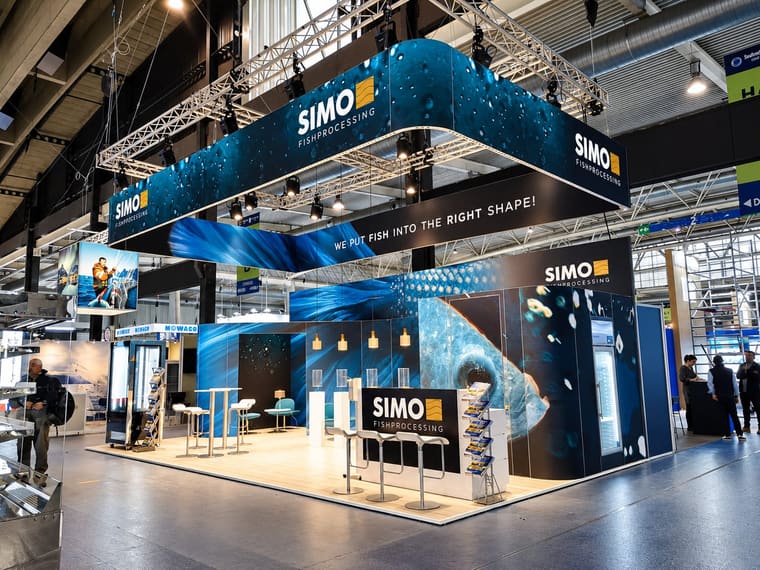
Growing applications: Event backdrops, stand walls, retail decoration, lightboxes and totems.
At Unical Graphic we have increased our textile production capacity by 200% in the last two years to meet growing demand.
Direct printing on innovative materials
UV LED printing technology allows you to print directly on virtually any surface:
Emerging materials:
- Glass and methacrylate: Direct printing for premium signage and decorative elements
- Natural wood: No need for intermediate vinyl
- Metal and aluminum: Direct printing for plates and industrial signage
- Recycled materials: Cardboard, kraft paper and ecological composite materials
Advantages: Eliminates the need to apply vinyl on the support, reducing production times and costs.
Digital integration: screens, QR and augmented reality
Large format printing is merging with digital technology:
Integrated LED displays: Large format displays combine printed graphics with LED screens for dynamic content. This allows changing messages on a fixed medium.
Custom QR Codes: QR codes integrated into the graphic connect the physical world with the digital one. Access to videos, catalogues, augmented reality and interactive experiences.
Augmented reality: Applications that, when focusing on the printed graphic with the mobile phone, show 3D content, animations or additional information.
NFC (Near Field Communication): NFC tags integrated into the graphic that transmit information when you bring the smartphone closer.
Mass customization and short runs
Digital printing allows something that offset printing cannot: customization at a reasonable cost.
Personalization trends:
- Localized campaigns: Customized graphics by city, store or point of sale
- Seasonal versions: Frequent change of graphics to maintain the freshness of the point of sale
- Variable data: Each printed piece may be different (names, images, personalized messages)
Digital printing makes it viable to produce short runs (from 1 unit) without the plate and preparation costs of offset printing. This democratizes access to large format graphics for companies of all sizes.
Frequently asked questions
Which large format materials are most sustainable?
Is textile printing the same quality as canvas?
Can you print directly on glass?
What is the main large format trend right now?
Related articles
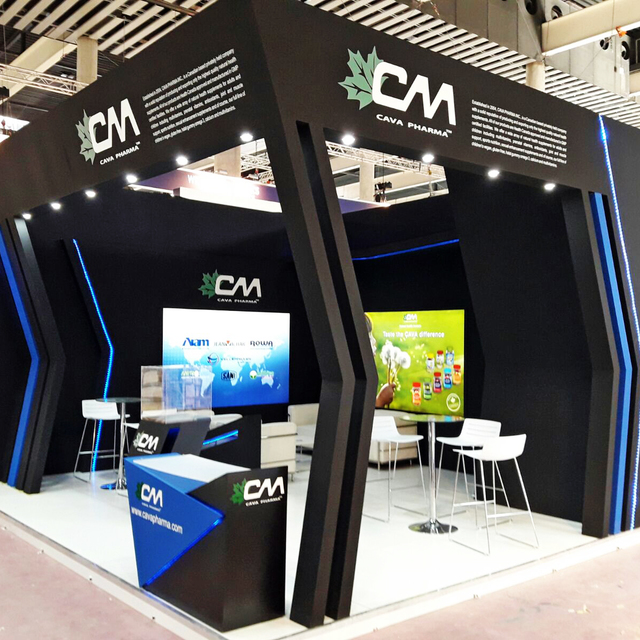
How to design a stand for a fair
Professional tips to design a stand that stands out and generates impact at fairs and events.Read article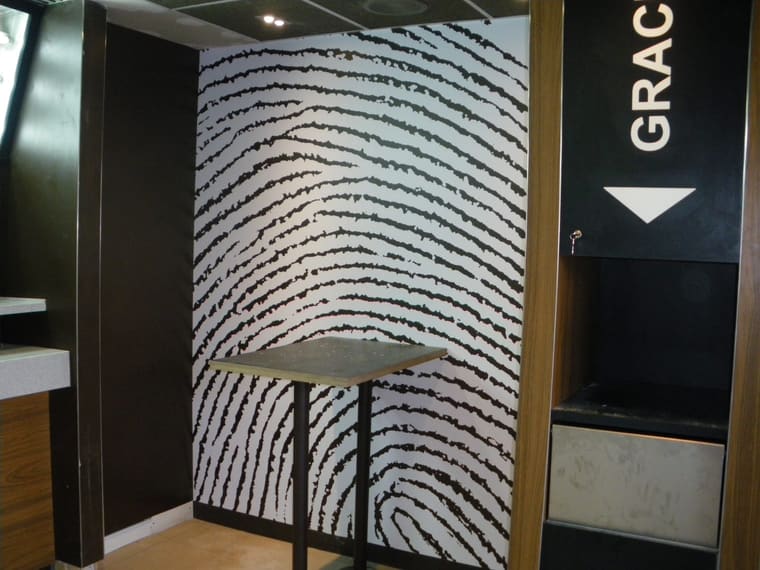
Vinyl coverings for hotels and restaurants: the alternative to traditional renovation
Discover how vinyl coverings and acoustic panels are revolutionizing the renovation of hotels and restaurants without the need for work.Read article

Need this service?
Request a no-obligation quote.