Printing
Printing on acrylic: finishes and uses
What acrylic is and when to choose it
Acrylic (PMMA, called metacrilato in Spain) is a rigid, transparent plastic that looks very much like glass but is lighter and less fragile on impact. It is chosen when a piece needs to convey quality: reception plaques, indoor signage for offices and clinics, faces for illuminated signs, displays, display cases or illuminated letters.
If you are after gloss, depth or transparency, acrylic is the right substrate. If you want the cheapest sign or the toughest panel for the street, there are better options, which we cover below.
This article focuses on how acrylic is printed and finished. If you are still choosing between materials, start with our Forex vs Dibond vs acrylic comparison.
Types of acrylic and common thicknesses
Not all acrylic is the same. In graphic production we mainly work with:
- Clear, the best known: plaques, protective screens, display cases and pieces with a glass effect.
- Opal, which diffuses light. It is used for light box faces and backlit letters because it spreads the light without showing each LED point.
- Coloured, black or mirror, for decorative pieces, cut-out letters or backgrounds with character.
As for thickness, the most common in signage range from 3 to 10 mm: thinner sheets for small plaques and sign faces, 8 or 10 mm when you want an edge with presence or a piece that stands firmly. There is also cast and extruded acrylic; for polished edges or delicate machining we will recommend whichever suits the piece.
Indoors and outdoors: how it performs
Acrylic is light-stable and does not yellow easily, so it works indoors and outdoors. In fact, it is the usual material for the faces of many illuminated fascia signs.
Three things to bear in mind:
- It scratches more easily than glass. Where it is touched a lot, protect the graphic or print on the back.
- It expands with heat. On large outdoor pieces, holes and fixings must allow some tolerance.
- Lifespan depends on the print. The material lasts; what can age is the ink or vinyl if it is exposed on the front face.
Indoors, with proper cleaning (water and mild soap, never solvents or abrasive cloths), an acrylic plaque stays like new for a long time.
Print finishes: front, reverse or vinyl on the back
This is where acrylic shines. Where the graphic sits changes the result:
- Reverse printing (on the back face). The image is printed mirrored on the back, usually with a white backing layer. The graphic is seen through the material, with a distinctive sense of depth and gloss, and is protected from scuffs. It is the most elegant finish for plaques and wall art.
- Vinyl applied to the back. A very clean alternative, especially for logos and text: the plaque shows no adhesive from the front.
- Direct printing on the front face. Useful when you want the texture of the ink to show or on pieces with an opaque background; it is more exposed to wear.
- Printing on opal for backlighting. In light boxes, ink density is adjusted so the colour looks right with the light on and off.
If in doubt, ask for a proof: the same colour looks different seen through 5 mm of acrylic than printed on paper.
Fabrication finishes: cutting, polished edges, stand-offs and bending
The finish of the piece matters as much as the print:
- Laser cutting or routing, straight or to any outline.
- Polished edges, which leave the edge glossy and clear. This is what gives a plaque or display case that finished look.
- Metal stand-offs, so the plaque sits away from the wall and casts a shadow that adds depth.
- Heat bending, for lecterns, displays, leaflet holders or stands.
- Concealed fixing or bonding, when you do not want any hardware to show.
We produce all of this through our rigid substrate printing service. If the piece is an illuminated sign, there is more detail in illuminated signs and in our guide to types of illuminated signs.
Typical uses, with real projects
Where acrylic really stands out:
- Reception plaques, office door signs and indoor signage for offices and clinics. If you are planning a full system, see our corporate signage service.
- Faces for built-up letters and light boxes.
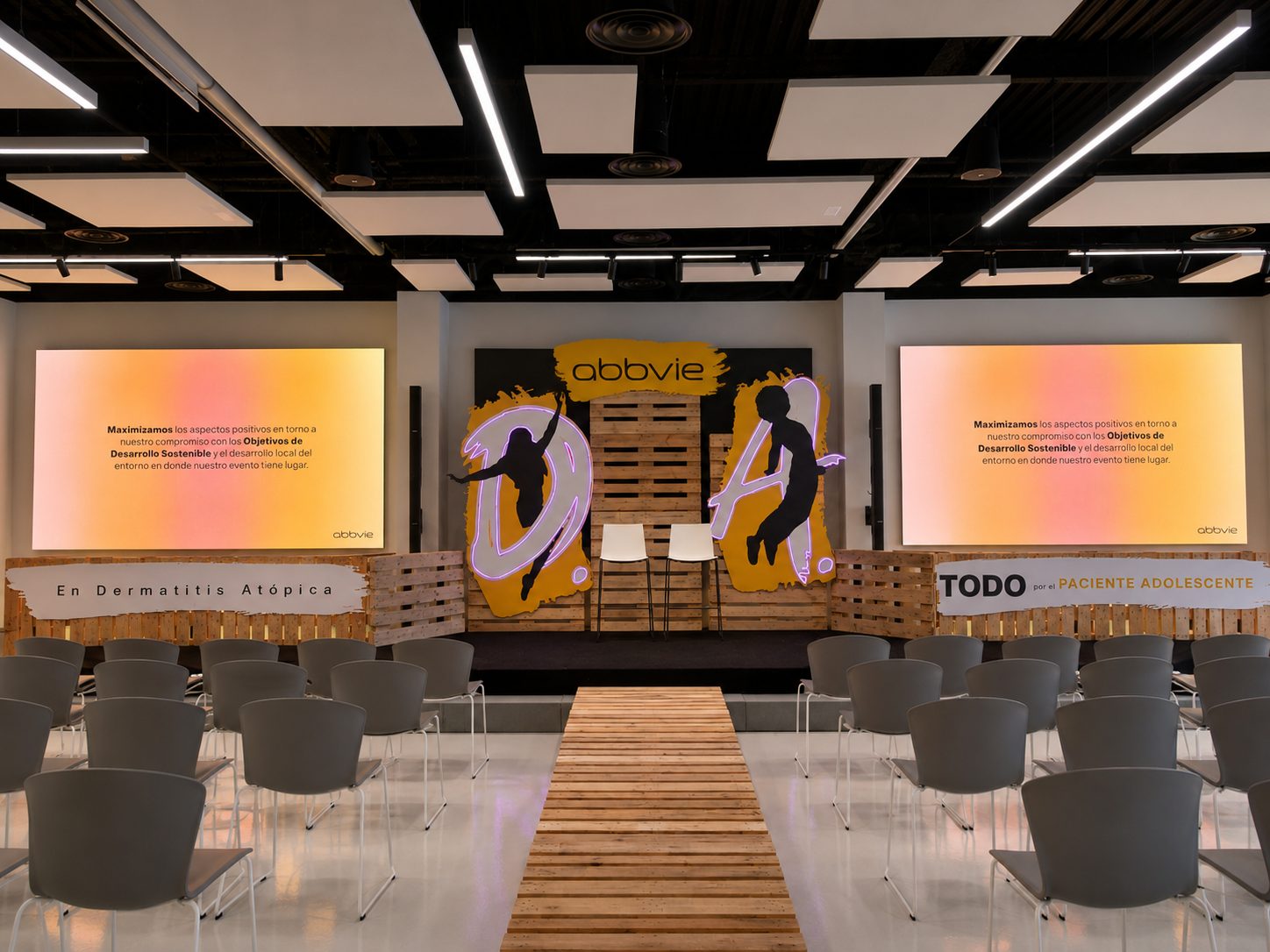
- Letters and logos with LED neon for stages and brand spaces.
- Display cases, lecterns, displays and clear stands.
Some examples of our work: for CLAUS Centre Psicològic, a clear acrylic plaque cut to size, with the vinyl applied to the back and fixed on stand-offs to leave a gap and a shadow; for Arcon Food, a sign with aluminium built-up letters and acrylic faces with LED lighting; at a Pharma event, the built-up letters in the photo, made in acrylic with flexible LED neon; for the Volkswagen BlueMotion exhibition, acrylic display cases with polished edges and concealed fixing; and for ASICS, a clear acrylic stand that holds up a 3D piece and almost disappears from view.
When not to use acrylic and what to choose instead
Acrylic is the most eye-catching substrate, but also the most demanding. Another option is better when:
- It is a short or frequently changing campaign. Foam PVC or Forex does the job comfortably and costs less.
- It is a large printed panel for outdoors. Dibond is lighter for the same rigidity, stays flat and does not scratch as easily.
- There are spotlights or cameras. Acrylic's gloss reflects light. For backdrops and stages a matt panel usually works better; for example, in the Pharma auditorium the side backdrops were made in rigid panel with an anti-glare matt finish to avoid glare in the video footage.
- There is a risk of heavy knocks or vandalism. For protective screens and very exposed pieces, polycarbonate withstands impact better, although it scratches easily.
- Fire performance requirements at venues or public spaces: these depend on each regulation and venue, so check beforehand or ask us for advice.
To see all the criteria in one place, there is also our guide to types of rigid printing materials.
What to prepare before asking for a quote
To propose the right acrylic and finish, it helps us to know:
- Where it goes and how the light hits it: indoors, outdoors, spotlights, daylight.
- Size, quantity and whether you want a cut-out shape.
- Whether the graphic should be seen through the material (reverse print or vinyl on the back) or from the front.
- How it is fixed: stand-offs, concealed fixing, desk stand or structure.
- Whether it will be illuminated, to choose between clear and opal.
We manufacture in Barcelona and install throughout Spain. Call us on +34 937 50 23 04 or request a quote.
Frequently asked questions
Are acrylic and PMMA the same thing?
What is reverse printing on acrylic?
What acrylic thickness is used for a plaque?
Can acrylic be used outdoors?
How do you clean an acrylic plaque?
Related articles
Differences between forex, dibond and methacrylate: which one to choose?
Clear comparison between Forex, Dibond and methacrylate to choose the correct rigid support for each project.Read article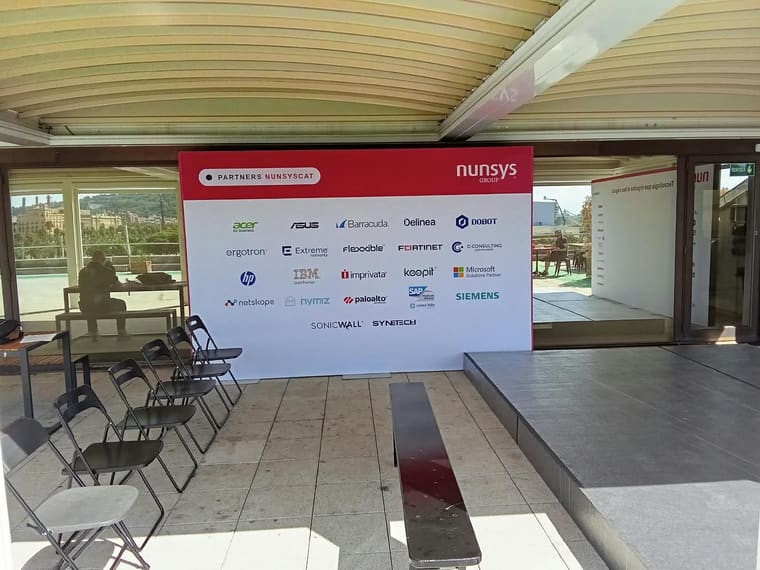
Types of rigid materials in printing: PVC, aluminum, forex and more
Practical guide to rigid materials in printing for companies and individuals: uses, advantages and real examples.Read article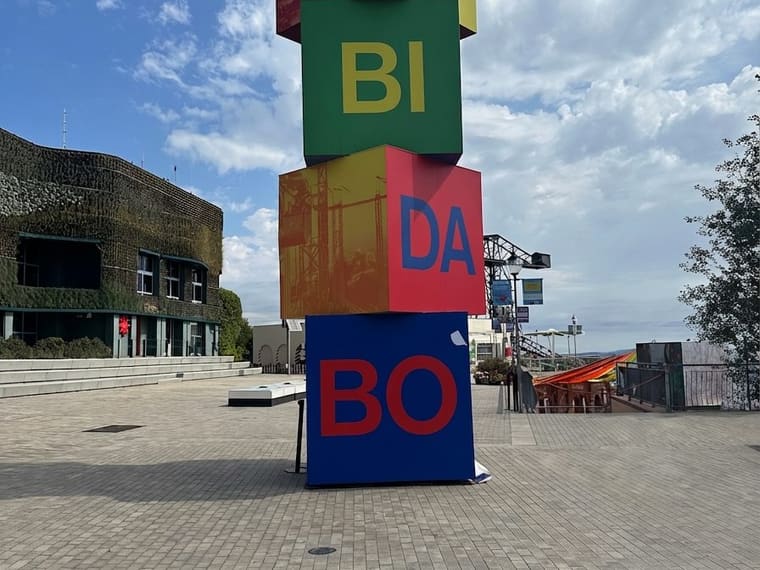
Printing on Dibond (aluminium composite): uses and advantages
What you should know about Dibond before ordering a plaque, a sign or a printed panel: what it is, how it is printed and when not to choose it.Read article


Need this service?
Request a no-obligation quote.