Printing
Printing on foam PVC (Forex): what it is and what it is for
What Forex is and what it is for
Forex is foam PVC board: a rigid plastic with a closed-cell internal structure that is light, white and very easy to cut. It is used mainly for indoor signs and wayfinding, point-of-sale material, information panels and contour-cut pieces for events and shops. It is the most versatile rigid substrate for messaging that changes often.
If you need signs that look good, stand up to daily use and can be replaced without blowing the budget, Forex is usually the best option. If the piece will be outdoors for a long time, it is not.
As with Dibond, Forex is a brand that has become a generic name. In the workshop you will also hear it called expanded PVC, foamed PVC or simply PVC. Here we focus on this material; to compare it with the others, see our Forex vs Dibond vs acrylic comparison.
What the material is like and which thicknesses are used
Foam PVC has a smooth, matt surface, usually white, that takes print well. Inside it is a compact foam, so it is light and easy to handle, yet rigid enough to support itself in medium-sized pieces.
The most common thicknesses for print are:
- 3 mm, for hanging or stuck-on signs, campaign posters and small pieces.
- 5 mm, the all-rounder: stiffer, for wall panels, indoor signage and contour-cut pieces that stand on their own.
- 10 mm or more, when you need body: countertop displays, pieces with a visible edge or cut-outs with some depth.
It also comes in colours and black, although white is the usual choice for printing. The thicker the board, the stiffer it is and the more the edge shows, which on Forex stays clean and white after cutting.
Indoors yes, outdoors with caveats
Forex really comes into its own indoors. There it is hard to beat for the balance between result, lightness and ease of change: shops, offices, conferences, trade shows, clinics or training rooms.
It can be used outdoors, but with clear limits. It is a plastic that reacts to heat: in direct sun, especially in dark colours or large formats, it tends to bow. Over time, exposure also makes it more brittle. That is why we only recommend it outside for temporary use in sheltered spots: a site hoarding sign, a campaign of a few weeks or a piece in the shade.
If the piece has to last years on the street or take full sun, the sensible move is Dibond, which stays flat and copes far better with the weather.
How it is printed: direct or with vinyl
Like other rigid boards, Forex can be printed in two ways:
- Direct UV printing. The ink is laid straight onto the board. It is the most common option for signs and POS: fast, clean and with very good colour on the white material.
- Applied printed or cut vinyl. Useful when you want to laminate the graphic to protect it from scuffs, when cut vinyl lettering is combined with a coloured background or when the piece will be reused by changing only the graphic.
Matt laminate is a good idea on pieces that are handled a lot or lit by spotlights, as it avoids reflections and protects the print. For short-run rotating signs, direct print without laminate is often enough.
Finishes: cutting, contour cutting, feet and fixings
Forex's big advantage is how easy it is to shape:
- Straight cutting for standard signs and panels.
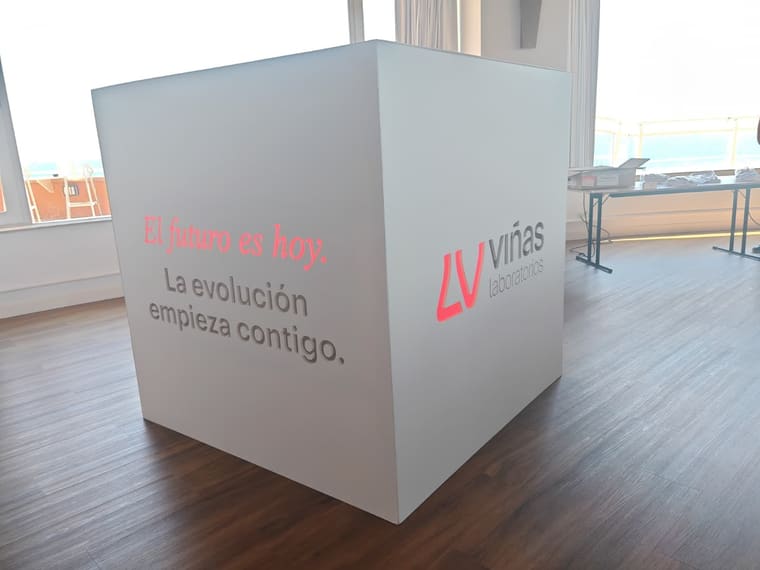
- Contour routing to any outline: characters, products, logos or round shapes like the one in this article's photo.
- Slot-in feet and bases so the piece stands on its own on the floor or a counter, with no extra structure.
- Drilling, hangers and cord for suspended signs.
- Double-sided tape or Velcro to fix to walls or furniture without holes, which is very handy in shops.
- Thick cut-outs for indoor letters and logos with some depth.
All of it is produced through our rigid substrate printing service. If you need letters with real presence and a long life, have a look at built-up letters instead, where we work with high-density PVC and other materials.
Typical uses, with real examples
These are the jobs where we use Forex most:
- Campaign and promotional signs in store. If you are planning a point of sale, our POS display ideas for retail may help.
- Indoor and directional signage at conferences, medical meetings and events.
- Information panels, door signs and indoor plaques.
- Free-standing silhouettes and contour-cut pieces.
- Short- and medium-term displays and POS material.
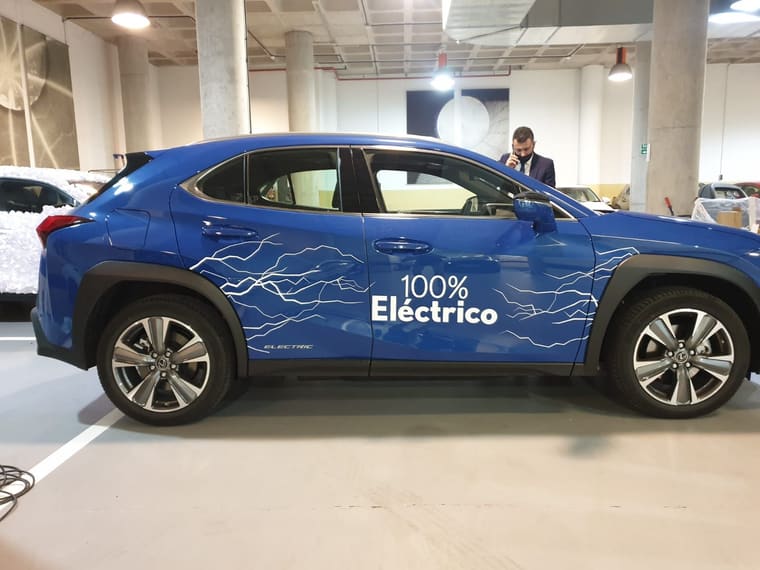
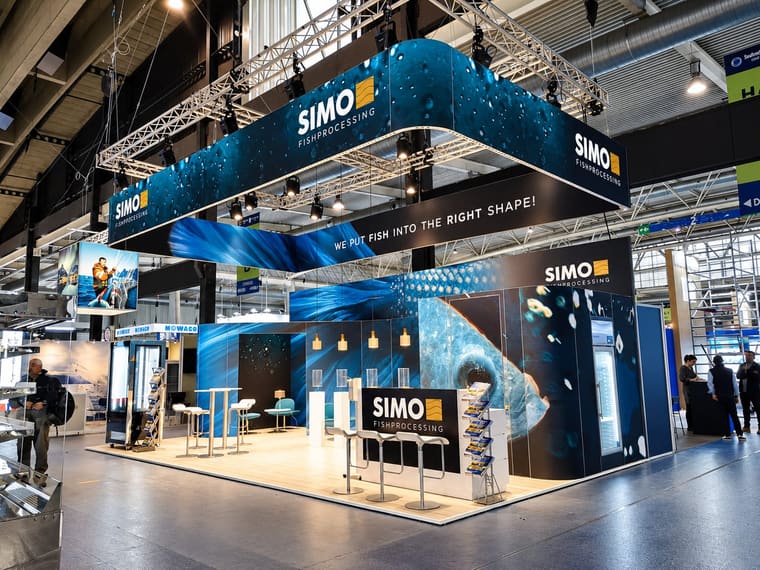
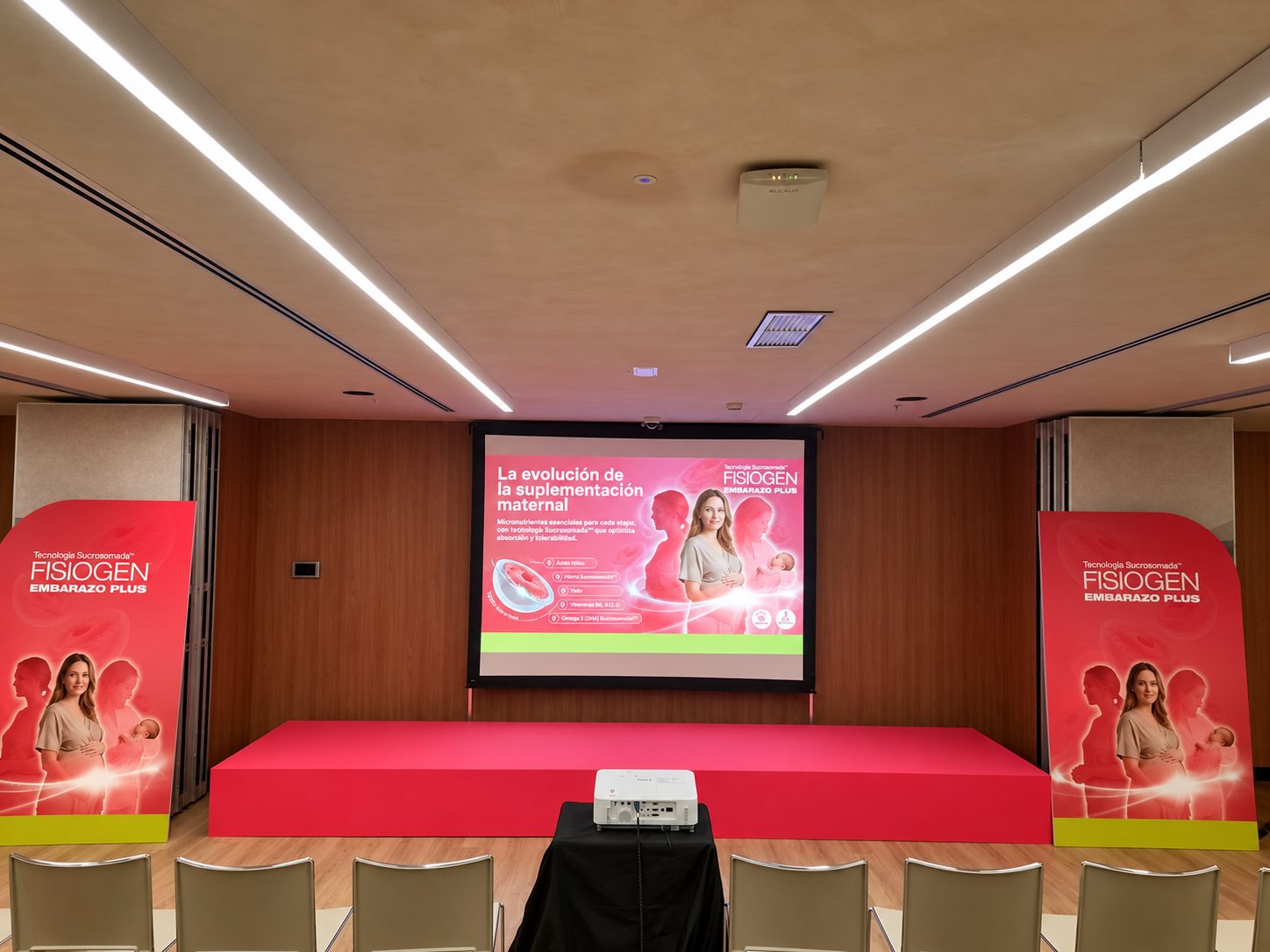
Some real projects: at a Pharma medical meeting, the directional signage was made in Forex rigid panel, combined with cut vinyl for the door signs; at another Pharma pharmaceutical event, the entrance signage for the hospitality desk was produced in Forex with cut vinyl; for the ASICS Christmas campaign, signs printed on Forex were part of the kit installed across several stores; and in the Expo Zaragoza 2008 pavilions we combined Dibond and Forex display panels.
When not to use Forex and what to choose instead
Forex is very forgiving, but it is not right for everything:
- Permanent outdoor use or full sun. Choose Dibond: it does not bow and lasts for years with good print.
- Premium image, receptions or brand plaques. Acrylic gives a gloss and depth that PVC does not have.
- Very short campaigns or very light hanging pieces. Foam board may be enough and cheaper, bearing in mind it is more delicate.
- Very large panels that must stay perfectly flat. Forex can ripple; Dibond, a frame or tensioned fabric is better.
- Areas with knocks or heavy footfall. Forex dents on impact. In those cases a harder material or protecting the piece is advisable.
- Fire performance requirements at exhibition venues or public spaces. What is required depends on each venue and regulation: check with the organiser or ask us for advice.
To sort out all these criteria, see our guide to types of rigid printing materials.
What to prepare before asking for a quote
With this information we can propose thickness, finish and fixing straight away:
- Where it goes: indoors, sheltered outdoors or outdoors in full sun.
- Size, shape (rectangular or contour-cut) and quantity.
- How long it needs to last and whether there will be replacements.
- How it is placed: hanging, stuck on, free-standing on a base or on a counter.
- Whether it will be touched or handled a lot, to decide on laminate.
We manufacture in Barcelona and install throughout Spain, including across several shops or sites at once. Call us on +34 937 50 23 04 or request a quote.
Frequently asked questions
Are Forex and foam PVC the same thing?
Which Forex thickness should I choose for a sign?
Can Forex be used outdoors?
Can Forex be cut into shapes?
Is Forex or foam board better?
Related articles
Differences between forex, dibond and methacrylate: which one to choose?
Clear comparison between Forex, Dibond and methacrylate to choose the correct rigid support for each project.Read article
Types of rigid materials in printing: PVC, aluminum, forex and more
Practical guide to rigid materials in printing for companies and individuals: uses, advantages and real examples.Read article
Printing on Dibond (aluminium composite): uses and advantages
What you should know about Dibond before ordering a plaque, a sign or a printed panel: what it is, how it is printed and when not to choose it.Read article


Need this service?
Request a no-obligation quote.